Gen Z

The Next Wave of Wealth Creation: What Gen Z Should Watch For
If you have any understanding of where the world is right now—and where it’s heading—you might already be ahead of 80% of your peers.
In the last twenty years, only a few catalysts have given everyday people a free shot at reaching the upper echelon everyone talks about: the tech boom, Bitcoin, social media monetization, and e-commerce.
When those opportunities appeared, most of Gen Z was too young to understand the money-making potential unfolding in front of them. But now that many of us are older and see the world a bit more clearly, we can anticipate that similar opportunities—Bitcoin or the early tech boom—will arise again. Many will miss out on the next great wave of wealth creation. But will you let a lack of curiosity be another missed chance?
Let’s look at a few potential catalysts Gen Z should keep their eyes on.
1. Crypto
Cryptocurrency is a digital form of money that uses advanced encryption to secure transactions and operates on decentralized networks—letting people send and receive funds directly without needing a traditional bank.

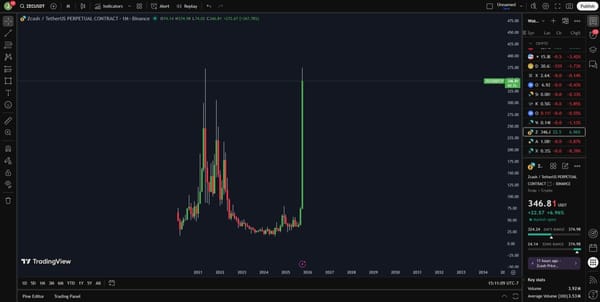
The entire crypto industry is currently valued at $3.26 trillion. To put that into perspective, the total crypto market is still worth less than single companies like NVIDIA or Apple. So, ask yourself: which one seems overvalued—and which one seems undervalued?
My guess: crypto is still very undervalued.
The space is only about fifteen years old—still young compared to traditional financial markets that have existed for centuries. In finance, fifteen years is nothing. That’s why crypto remains volatile, but also why early investors—especially Gen Z—can still ride a boom that’s not possible in mature markets.
Why It’s Still Early
As of November 2025:
- There are roughly 860 million crypto users worldwide.
- That’s only 11% of the global population (8.1 billion).
- And just 15% of internet users (5.6 billion).
In other words, we’re in the 1995 internet moment of crypto.
In the 1990s, most people dismissed the internet as a nothing burger. They said websites like Amazon, Netflix, eBay, and even early social platforms were “useless.” Look where that skepticism led. The same doubts surround crypto today—and history tells us what happens to early technologies labeled “useless.” They end up reshaping everything.
Even better, our current administration is showing optimism toward crypto and has already passed major legislation paving the way for growth:
- Genius Act: Regulates crypto as a legitimate payment tool.
- Digital Asset Market Clarity Act: Defines securities vs. commodities—essentially giving the green light for crypto to expand without the threat of limiting legal frameworks.
2. The Creator Economy
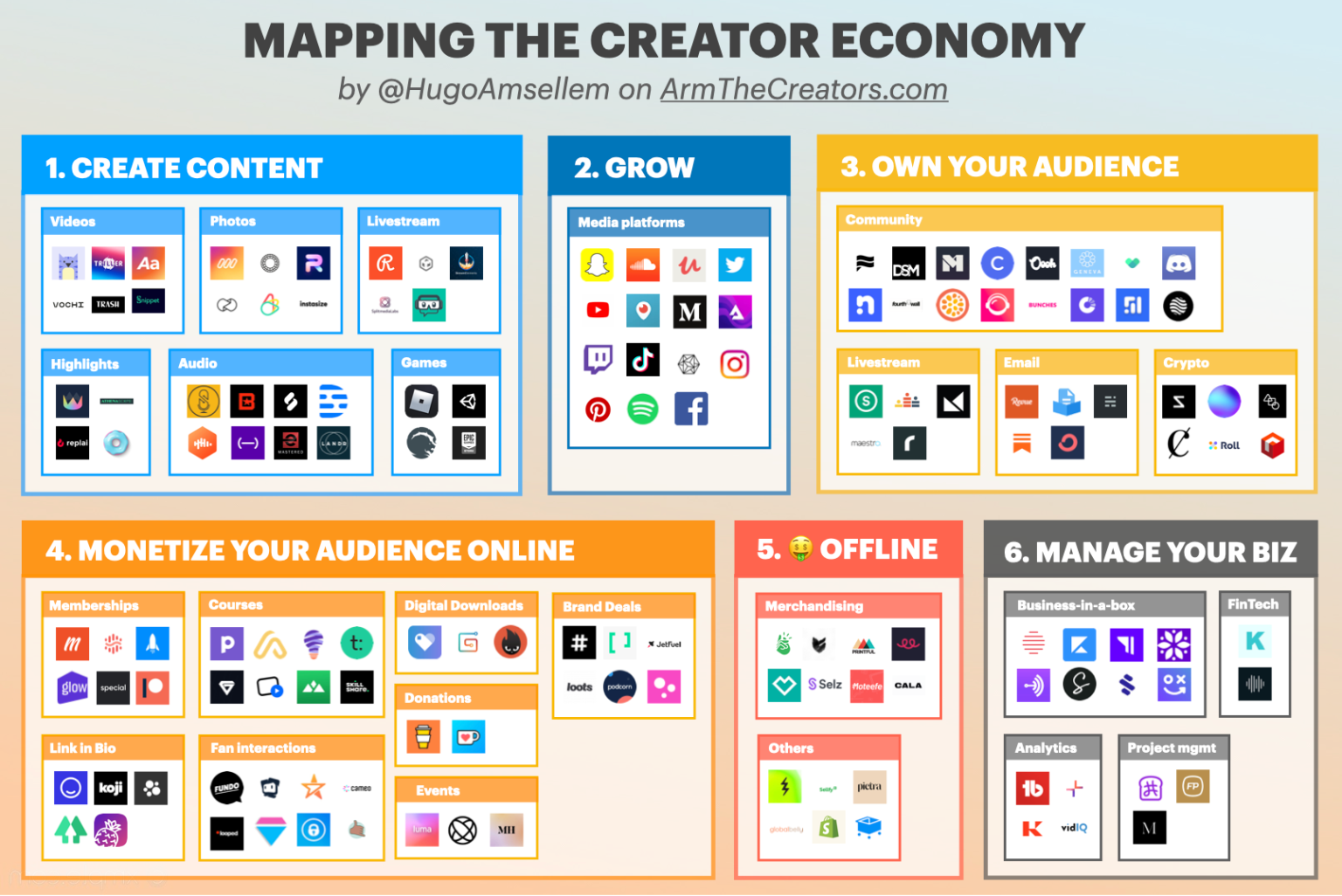
Let’s be honest—most of us have some sort of addiction to our phones. But in 2025, why wouldn’t we? Our entire world fits in our pockets. The question is whether we’ll let our phones be a curse or a blessing.
The creator economy, where people build and sell content through social media, videos, and communities, became a $205 billion industry in 2024. By 2033, it’s projected to reach $1.3 trillion.
For the first time in history, a 19-year-old with a phone and a drive to learn can build a six- or seven-figure ;) income before their friends graduate college.
Start with something you love—your passion is your niche. The potential upside is nearly unlimited. No 9-to-5. No boss. Just you, your ideas, and billions of potential customers online.
This is our dot-com boom.
But unlike the 1990s, we already have the tools: smartphones, AI, and instant global reach.
The numbers:
- 200 million creators (2.5% of the global population)
- iPhones and AI tools at everyone’s fingertips
- Platforms like TikTok, Instagram, and YouTube provide infinite customers
- No degree required
- Infinite niches
Being early in the creator economy gives you a massive advantage. Most people will only realize its potential years from now—when it’s too late to be early.
And remember success in this space isn’t about talent. It’s about consistency.
Consistency > Talent.
3. Prediction Markets
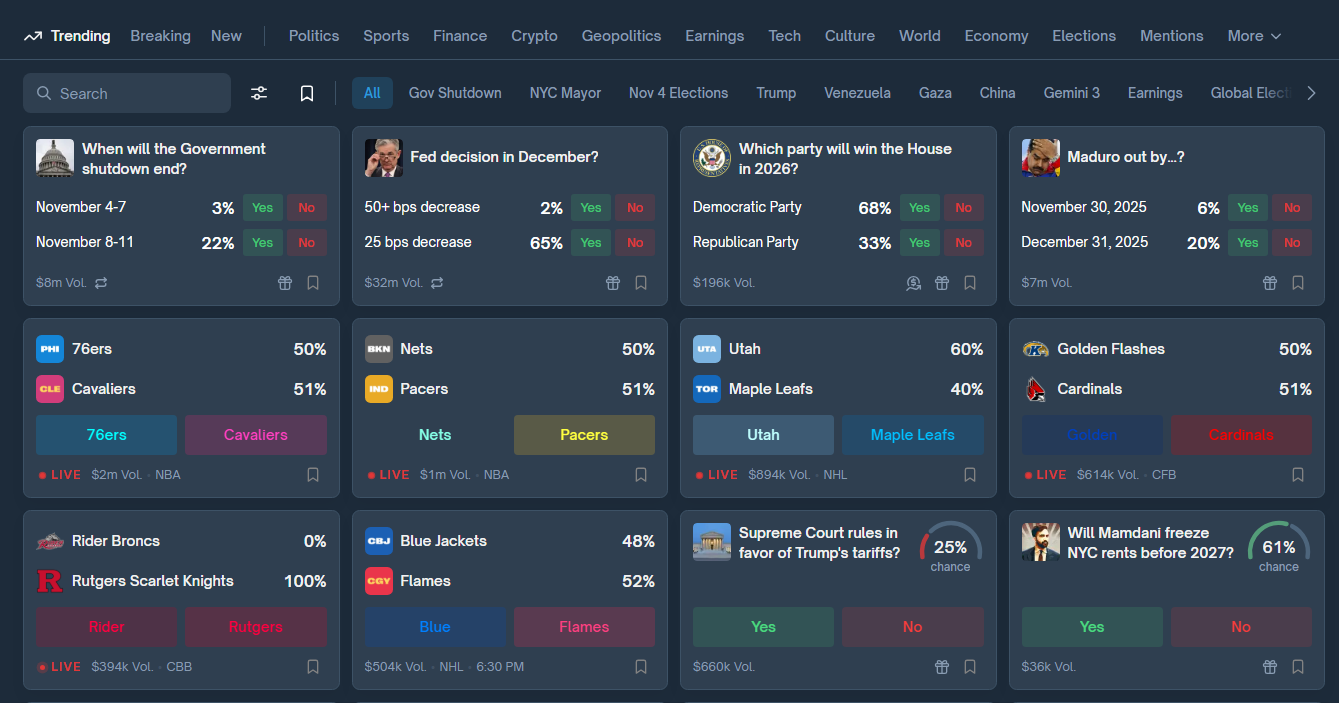
You’re probably thinking, “How could gambling make me money? It’s gambling.” But hear me out—this isn’t traditional gambling.
One of the newest and most underrated financial opportunities is the rise of prediction markets.
Prediction markets let users invest in probabilities tied to real-world events—crypto, entertainment, memes, politics, stocks, and more. In simple terms, you’re betting on outcomes you understand better than the crowd.
And if you’re Gen Z, that’s your edge.
We’re online natives. We grew up reading the internet —tracking trends, memes, and viral moments before they hit mainstream attention. That ability to sense early momentum online can translate into outsized profits in prediction markets.
The prediction market industry is currently valued at just $17.9 billion—a drop in the bucket. But it’s growing fast. Those who learn how these markets work early on will have a huge advantage—not just financially, but intellectually. Understanding trends before they’re trends is a superpower.
Final Thought
Every generation gets its defining moment for wealth creation. For Boomers, it was real estate. For Millennials, it was the tech boom. For Gen Z—it’s still being written.
Crypto, the creator economy, and prediction markets could very well be our shot at shaping that narrative. The question is: when the next wave hits, will you be ready—or watching from the sidelines?